Applications for Capital Grants open soon
If you’re a farmer or land manager planning hedgerow management work in England, now is the time to get organised. Applications for Capital Grants 2026 are expected to open in July, and demand is likely to be high again this year. Getting clear now on which hedges need work — and what actions you may want to apply for — will put you in a much stronger position when applications open.
- Review your hedgerows. Identify where hedge laying, coppicing, gapping-up or new planting would deliver the biggest benefit. PTES’ Healthy Hedgerows app can help assess hedge condition and highlight the most appropriate management options.
- Plan delivery early. Decide which hedge lengths can realistically be tackled this winter and whether you’ll need contractors or can complete the work yourself. If you carry out the work yourself, you can claim the full grant amount. If not, the National Hedgelaying Society’s “Find a Hedgelayer” map can help locate local contractors.
- Prioritise hedges showing decline. Thin bases, gaps and leggy growth are often signs that a hedge needs rejuvenation through laying or coppicing. While small gaps can sometimes be addressed through gapping-up, they may also indicate the need for a more substantial reset through laying or coppicing.
- Check your budget. Hedge actions fall under the “Boundaries, trees and orchards” category, which has a maximum spend of £35,000. As grants are claimed retrospectively, you’ll need to cover costs upfront before claiming the funding back.
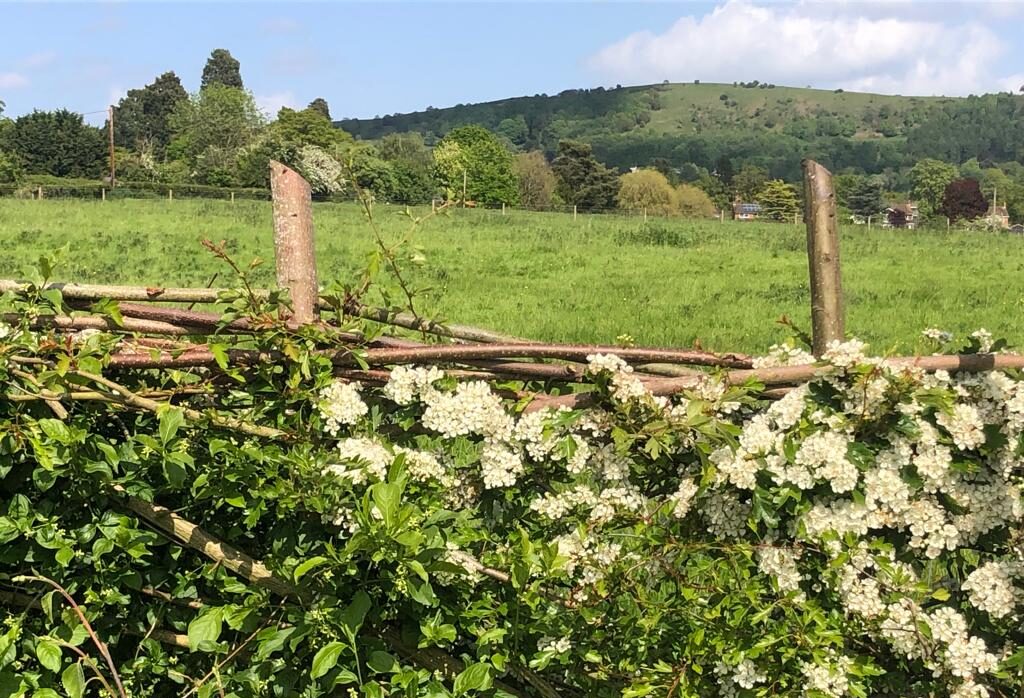
Capital Grants can support the rejuvenation of existing hedgerows, including laying, coppicing and gapping-up, as well as the planting of new hedges. Hedges need rejuvenation every 15–40 years to maintain healthy structure, long-term resilience and wildlife value.
A bit of planning could make all the difference
Between these major interventions, routine hedge management, such as rotational, incremental or reduced trimming, can be supported through the SFI hedgerow management action. SFI26 is expected to open this summer.
Taking a longer-term, farm-scale approach to hedgerow management can help spread costs and workloads, coordinate grant applications, and plan contractor availability more effectively. It also supports a mix of hedge structures across the farm, creating better habitats for wildlife while securing the future health of the hedgerow network.
A bit of planning now could make all the difference. Farms that identify priorities early will be best placed to apply quickly in July and secure funding before allocations are exhausted.
For more information contact Megan Gimber, Key Habitats Officer.
June 16th, 2026