
Hazel dormice
Hazel dormice are enigmatic and endearing. They are also threatened with extinction. Join us in helping to bring them back from the brink.
Our national monitoring shows the population of hazel dormice has declined by over two-thirds since 2000, with the species hanging on mostly in southern parts of England and Wales. Climate change, as well as changes in woodland management, farming practices and loss of hedgerows, have all taken a heavy toll on their living space. Dormice are good indicators of animal and plant diversity, and dormouse-friendly habitats are also good for woodland birds, bats and butterflies which is why we’re working hard to reverse the decline and promote recovery in British woodlands.

-
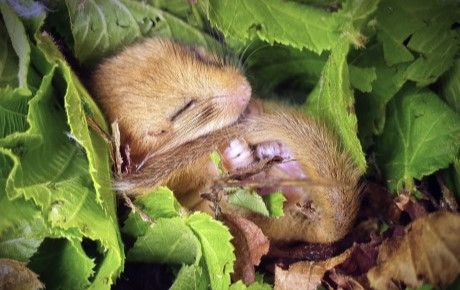
State of Britain's Dormice 2023
Read reportThe State of Britain’s Dormice 2023 report is the most up to date and comprehensive overview of how Britain’s dormice are faring.
-
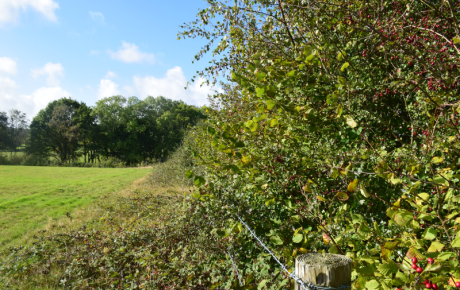
National Dormouse Footprint Tunnel Survey
Take partThe National Dormouse Footprint Tunnel Survey will be based on a search for dormice in hedgerows rather than any other habitat. Footprint tunnels are relatively easy to use and can be used by people who do not have a dormouse licence.
-
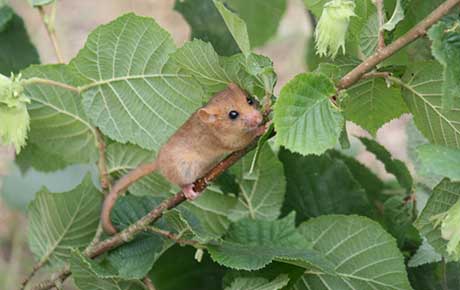
About hazel dormice
View dormouse factsFind out where dormice live, what they look like, the threats they face and FAQ’s.
-
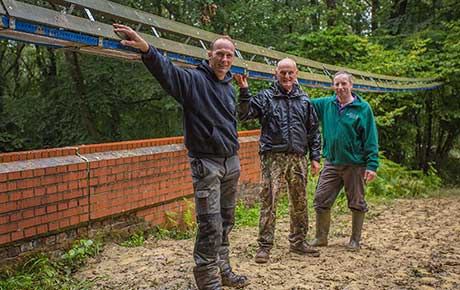
Dormouse conservation
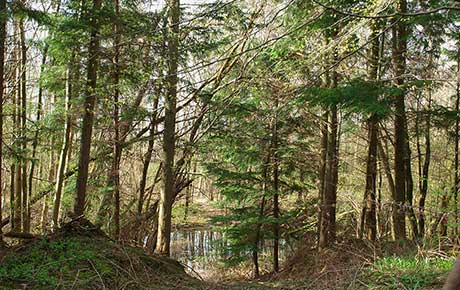
Conserving dormiceDiscover how we’re helping the dormice we have left and reintroducing them where they’ve gone extinct.
-
-
Surveying and monitoring
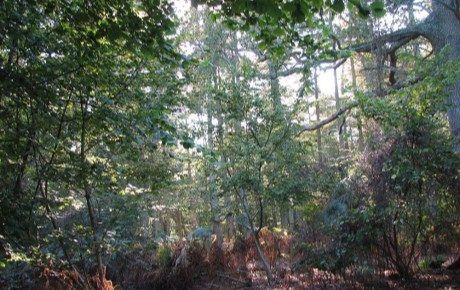
Monitoring dormiceFind out how we monitor dormice through regular surveying, and enter data online. Learn how to look for signs of dormice and enter one off sightings.
-
Dormouse protection
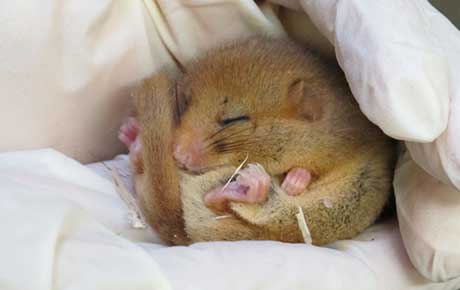
Dormouse licencingDormice are highly protected. Find out how to work with the species, the implications for development, and explore training resources.
-
Papers and publications
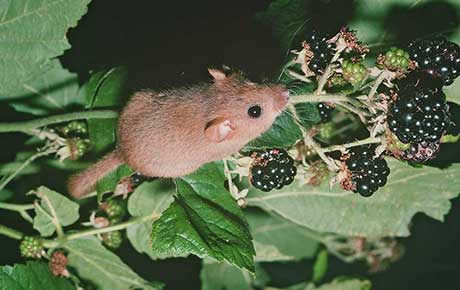
Dormouse papersRead summaries of scientific papers on dormice and issues of The Dormouse Monitor.
-